DIY Shower Repair: Tips and Tricks
Shower problems are common in every household, and while some issues require professional help, others can be tackled with a little DIY knowledge. Whether you're dealing with a slow drain, leaky faucet, or damaged grout, learning a few basic shower repair tips can save time and money. If you live in Nashville, TN, staying on top of shower maintenance is especially important due to the area's humidity and seasonal changes, which can accelerate wear and tear.
This guide breaks down practical tricks to help you address common shower issues safely and efficiently. With the right tools and know-how, many homeowners in Nashville, TN can handle basic shower repairs themselves—avoiding unnecessary costs and keeping their bathrooms functioning at their best.
Common Shower Problems You Can Fix Yourself
Before diving into repairs, it’s important to recognize which issues are manageable for a DIY approach. Some of the most frequent shower problems include:
Leaky Showerhead or Faucet
Low Water Pressure
Clogged Drain
Loose Handles or Fixtures
**Cracked or Missing Grout
**
These issues, if left unchecked, can lead to water damage or mold. Fortunately, with a few tools and basic steps, many of them are easy to fix.
Fixing a Leaky Showerhead
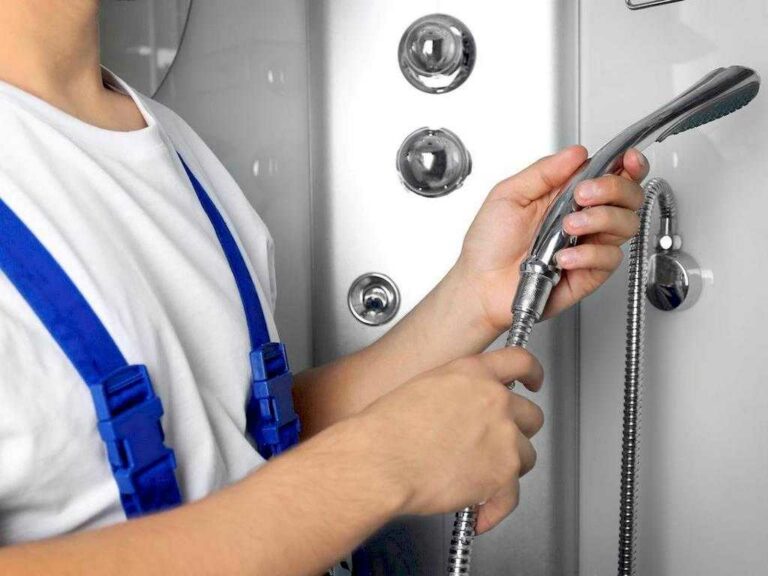
A dripping showerhead can waste gallons of water every week. First, make sure the water supply is off. Remove the showerhead and inspect the rubber washer inside—this is often the culprit. If it’s worn out, replace it with a new one. Applying plumber’s tape to the threads before reattaching the showerhead can help create a watertight seal and prevent future leaks.
Handling Low Water Pressure
Low water pressure can make showers frustrating. Start by unscrewing the showerhead and checking for mineral buildup. Soak the showerhead in vinegar overnight to dissolve deposits. If the issue persists, it could be due to a clogged pipe or valve, which may require professional assistance.
Unclogging a Shower Drain
Standing water in your shower often means a clogged drain. Hair and soap residue are typical causes. You can remove the clog using a drain snake or a straightened wire hanger. For a natural cleaning solution, pour a mix of baking soda and vinegar down the drain, followed by hot water after 15 minutes.
Repairing or Replacing Grout
Cracked grout allows water to seep behind tiles, leading to mold and wall damage. To fix it, use a grout saw or removal tool to take out the damaged section. Then apply new grout, smoothing it into the gaps. Let it cure according to the product instructions and apply a sealer afterward to protect the area from moisture.
Tightening Loose Handles or Fixtures
Loose shower handles or wobbly fixtures not only look bad—they can also become hazardous. Use a screwdriver to tighten any screws you find behind faceplates or escutcheons. If parts are worn out or stripped, replace them with matching components from your local hardware store.
When to Call a Professional
While many minor shower repairs are manageable, some problems—like major leaks behind walls, mold growth, or damaged plumbing lines—require the expertise of a licensed plumber. If your DIY fix doesn’t hold or you’re unsure about the cause of the problem, it’s best to consult a professional to avoid further damage.
FAQ
Q: What tools do I need for basic shower repairs? A: Common tools include a wrench, screwdriver, plumber’s tape, grout removal tool, caulk gun, and a drain snake. You might also need rubber washers and sealant depending on the repair.
Q: Can I fix a leaking shower faucet on my own? A: Yes, in many cases. Shut off the water, disassemble the handle, and replace the faulty washer or cartridge. Just make sure you have the correct replacement part for your faucet model.
Q: Is it safe to use chemical drain cleaners in the shower? A: It's better to avoid harsh chemical cleaners as they can damage your pipes over time. Natural solutions like vinegar and baking soda are safer and effective for minor clogs.
Q: How often should I reseal grout in the shower? A: Ideally, reseal grout once a year to protect it from moisture. This helps prevent cracking, mildew, and water damage behind tiles.
Q: When should I skip the DIY and call a plumber? A: If you suspect hidden leaks, persistent mold, or plumbing issues inside the walls, it’s best to hire a licensed plumber to avoid costly structural damage.